Flexible bond
Handles slab movement and thermal swings better than rigid coatings.

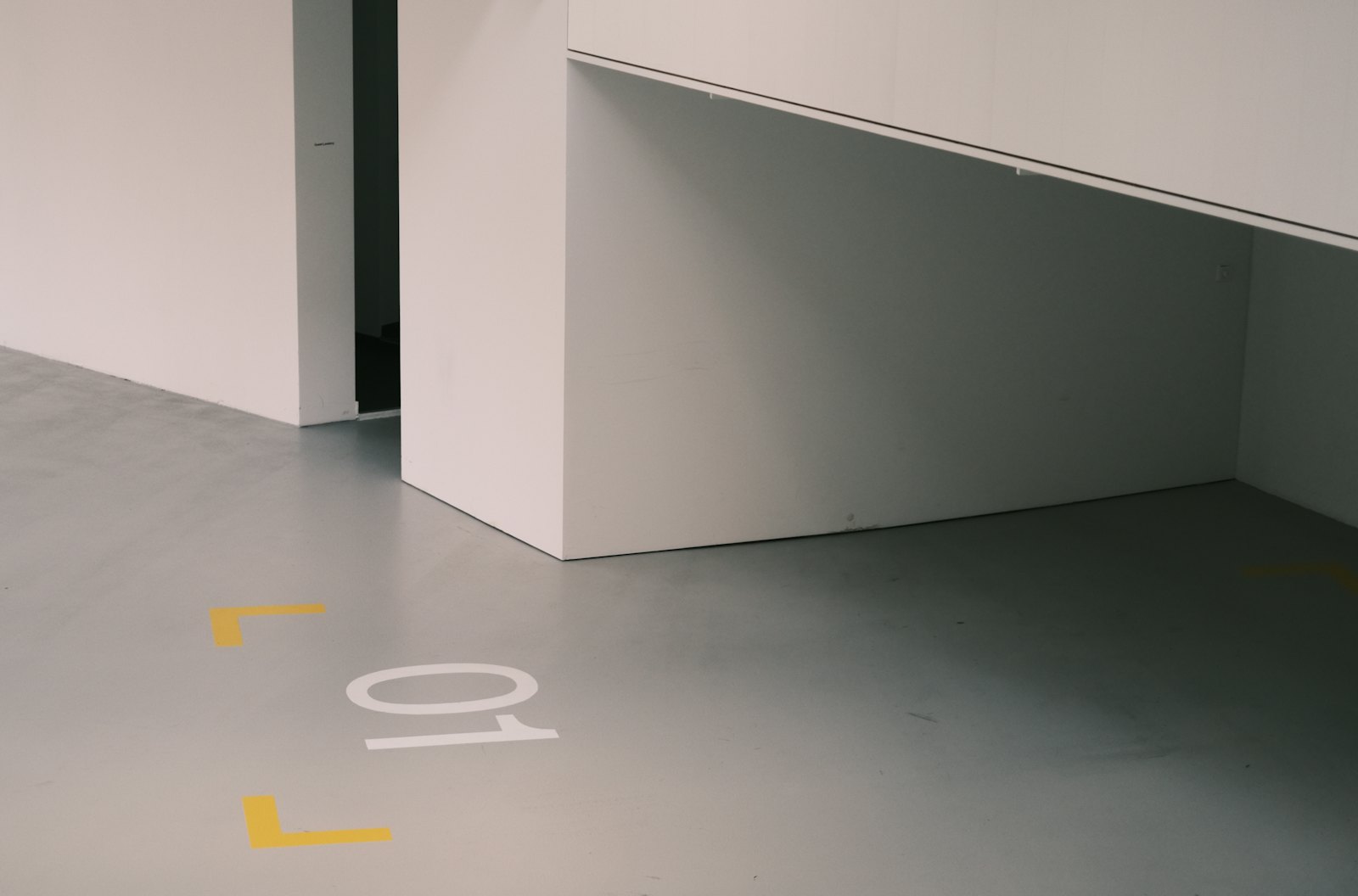
Polyurea floor coatings are among the toughest options available. They're flexible enough to handle slab movement and temperature swings, highly resistant to impact and abrasion, and cure fast — a strong choice for hard-working Tempe garages, shops and commercial floors.
Understanding the service
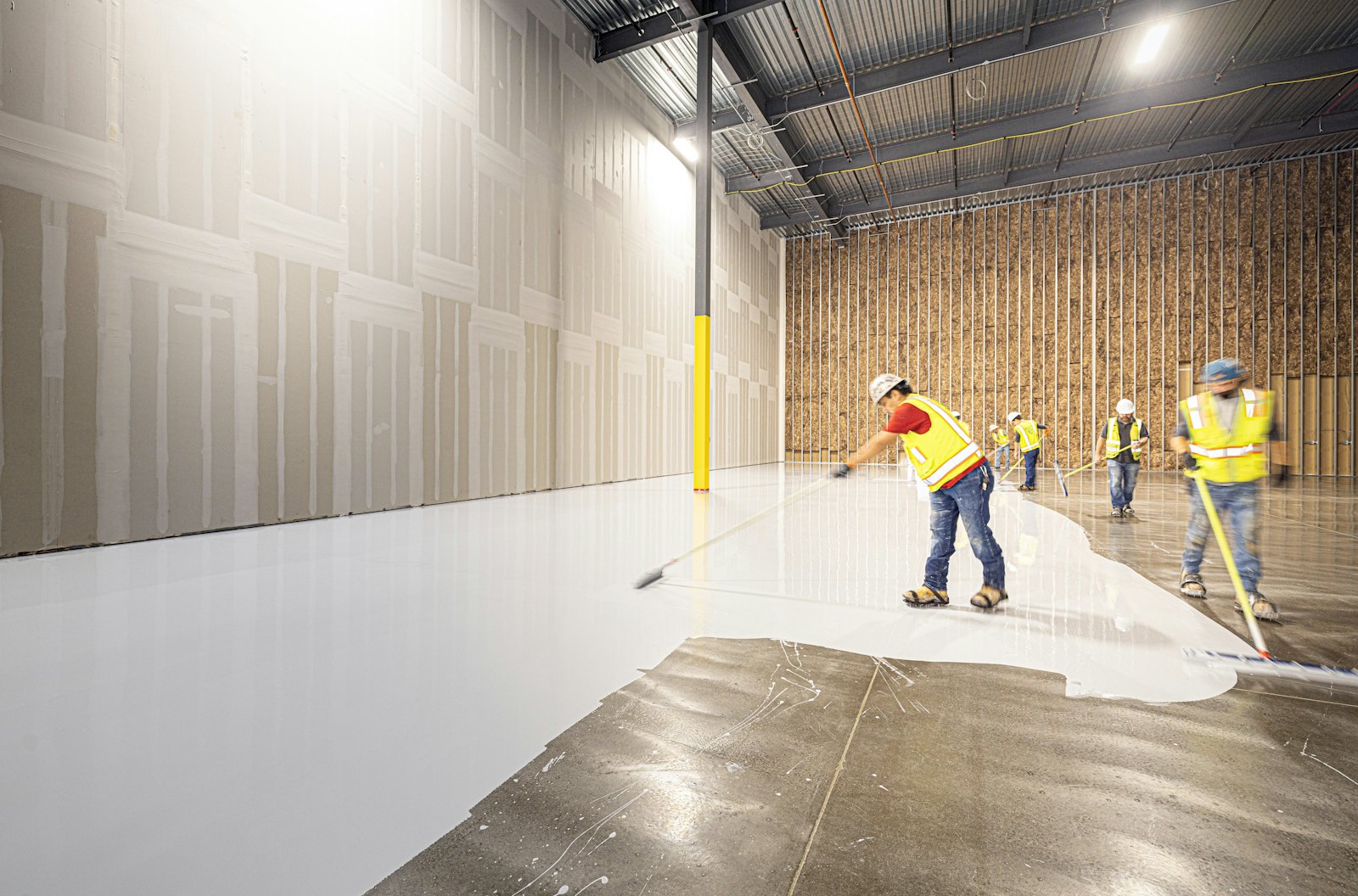
Polyurea is a fast-reacting coating that forms a tough, elastic membrane. Its flexibility helps it ride out the expansion and contraction concrete goes through as temperatures change, which reduces cracking and delamination compared to more rigid systems.
Polyurea is commonly used as a base coat in high-performance garage systems, often topped with polyaspartic, and in commercial or industrial spaces where floors take constant abuse.
Benefits
Handles slab movement and thermal swings better than rigid coatings.
Holds up to dragging, rolling loads, tools and constant traffic.
Shorter downtime for homes and businesses that need floors back quickly.
Resists oils, fuels, salts and many cleaning chemicals.
Where it fits
How it's installed
We look at traffic, chemicals and temperature exposure to spec the right build.
The slab is ground and cracks are treated so the membrane bonds fully.
The polyurea base coat is applied quickly and evenly.
Flakes or additional build coats are added as specified.
A clear or pigmented topcoat completes the system.
Local considerations
Tempe concrete can swing 50 degrees or more between a summer afternoon and the following dawn. That daily movement stresses rigid coatings. Polyurea's flexibility makes it a reliable base for slabs that see big temperature changes or direct sun.
Before you start
Why it matters
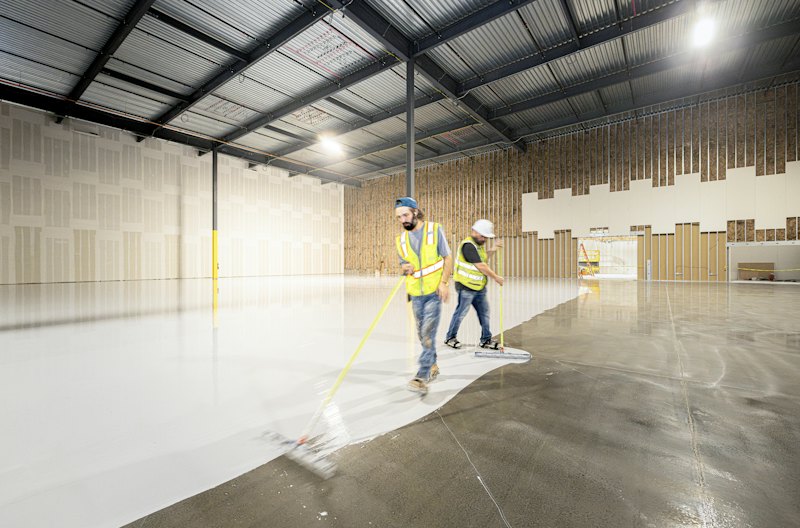
Polyurea reacts fast and leaves no room for error. Proper prep, accurate mixing and an experienced crew are essential to avoid bubbles, poor bonding or uneven finishes.
Hiring tips
We'll look at your slab, explain the options honestly and give you a clear written quote — no pressure. Call (602) 419-4190 or request a callback.
Service areas
We serve Tempe and nearby communities across Maricopa County. Call to confirm coverage for your address.
FAQ
Polyaspartic is a type of aliphatic polyurea with slower, more workable cure and strong UV stability. Traditional polyurea cures very quickly and excels at flexibility and toughness.
Polyurea is generally more flexible and impact resistant, while epoxy is harder and more rigid. Combining them can deliver the best of both.
Yes, especially with a UV-stable topcoat. Its flexibility suits outdoor slabs that heat up and cool down daily.
Very fast — often minutes to hours for foot traffic depending on the product. Vehicle traffic usually follows within a day or two.
Its flexibility helps it resist cracking from normal slab movement. Structural cracks in the concrete should still be repaired first.
Yes. It's widely used in shops, parking areas and industrial spaces that see constant wear.
Gallery
A look at the finishes, textures and spaces we work with. Tap any photo to enlarge.
Polyurea
 Garage
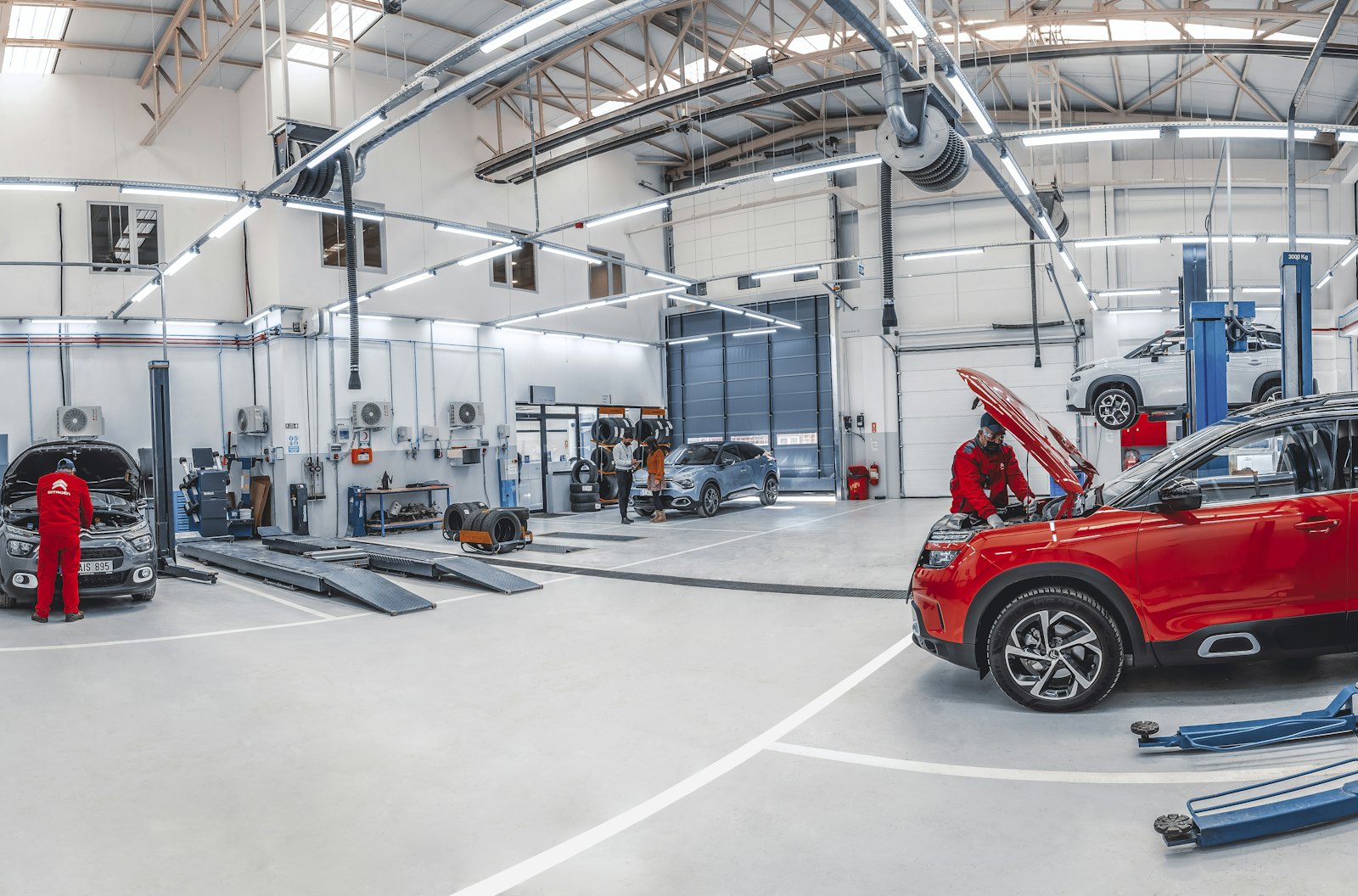 Commercial
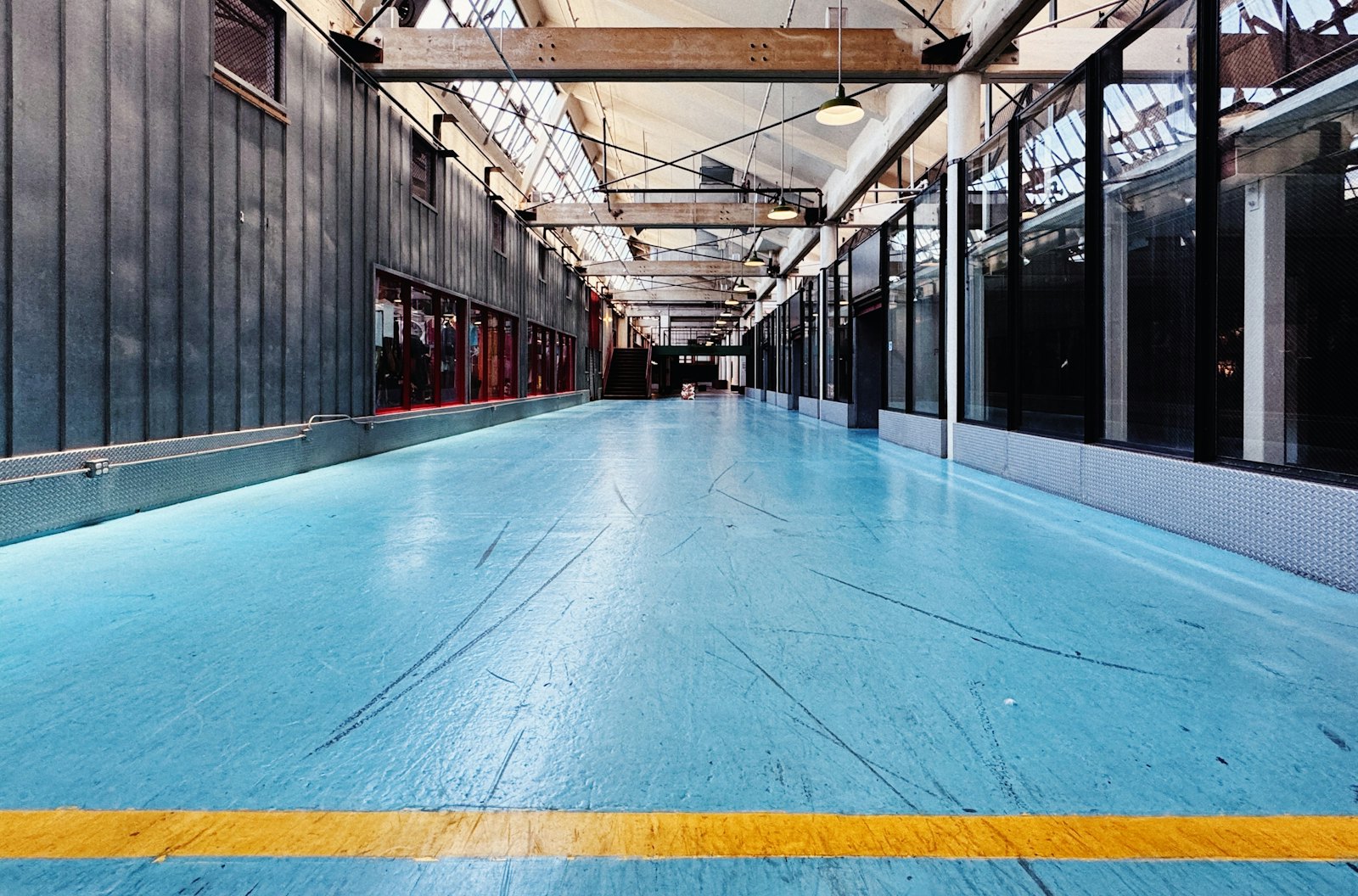 Warehouse
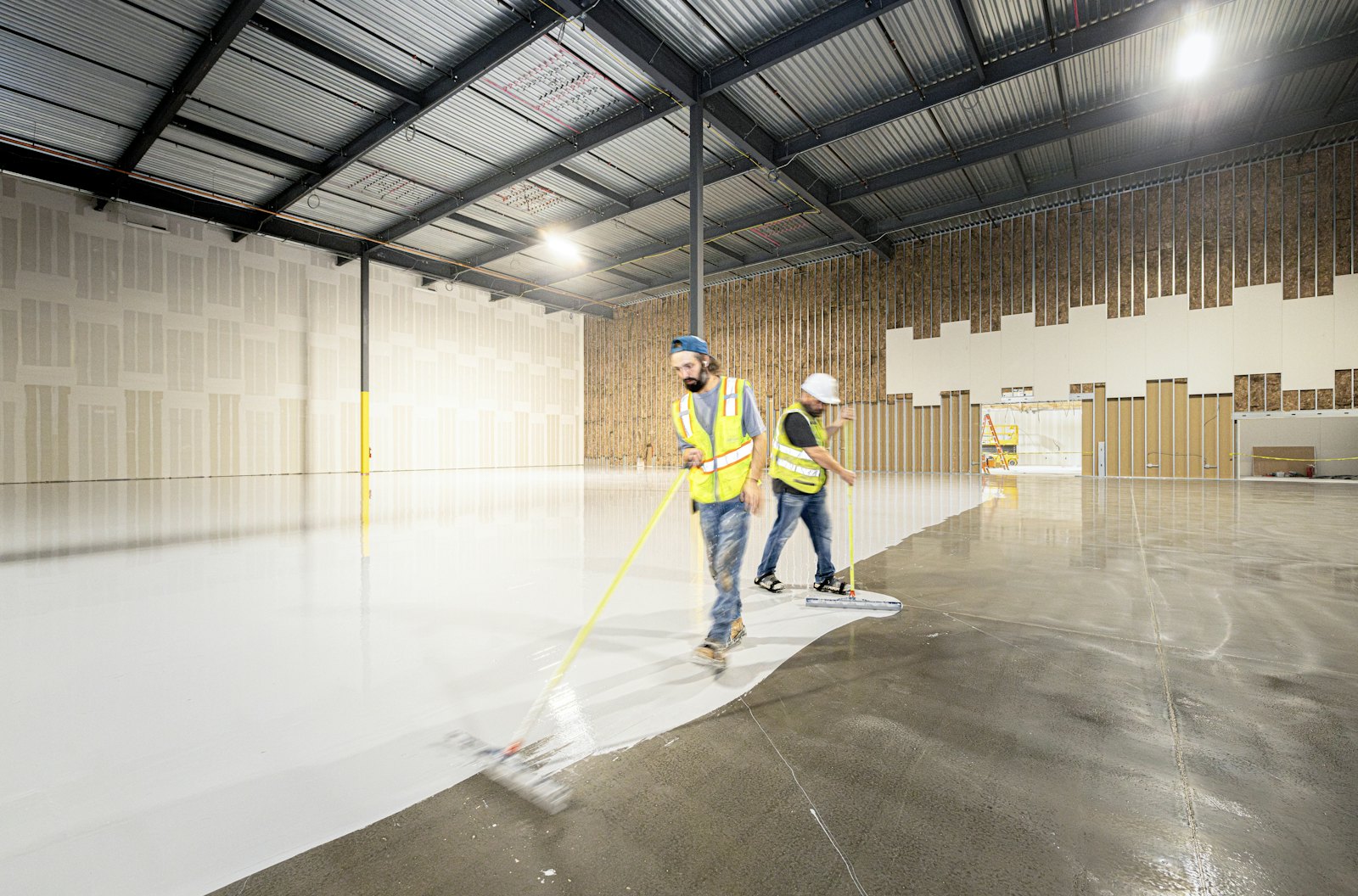 Installation
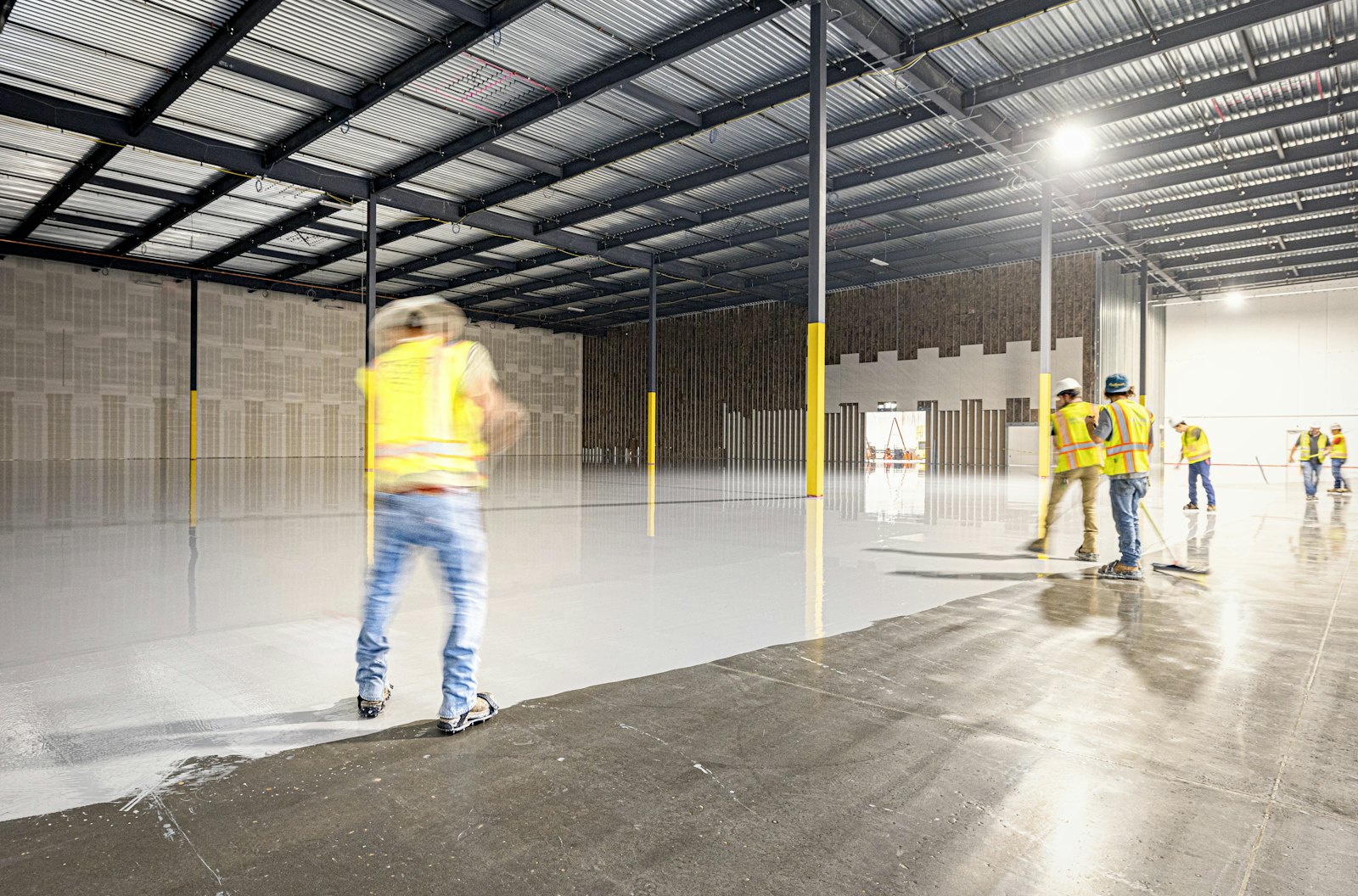 Warehouse
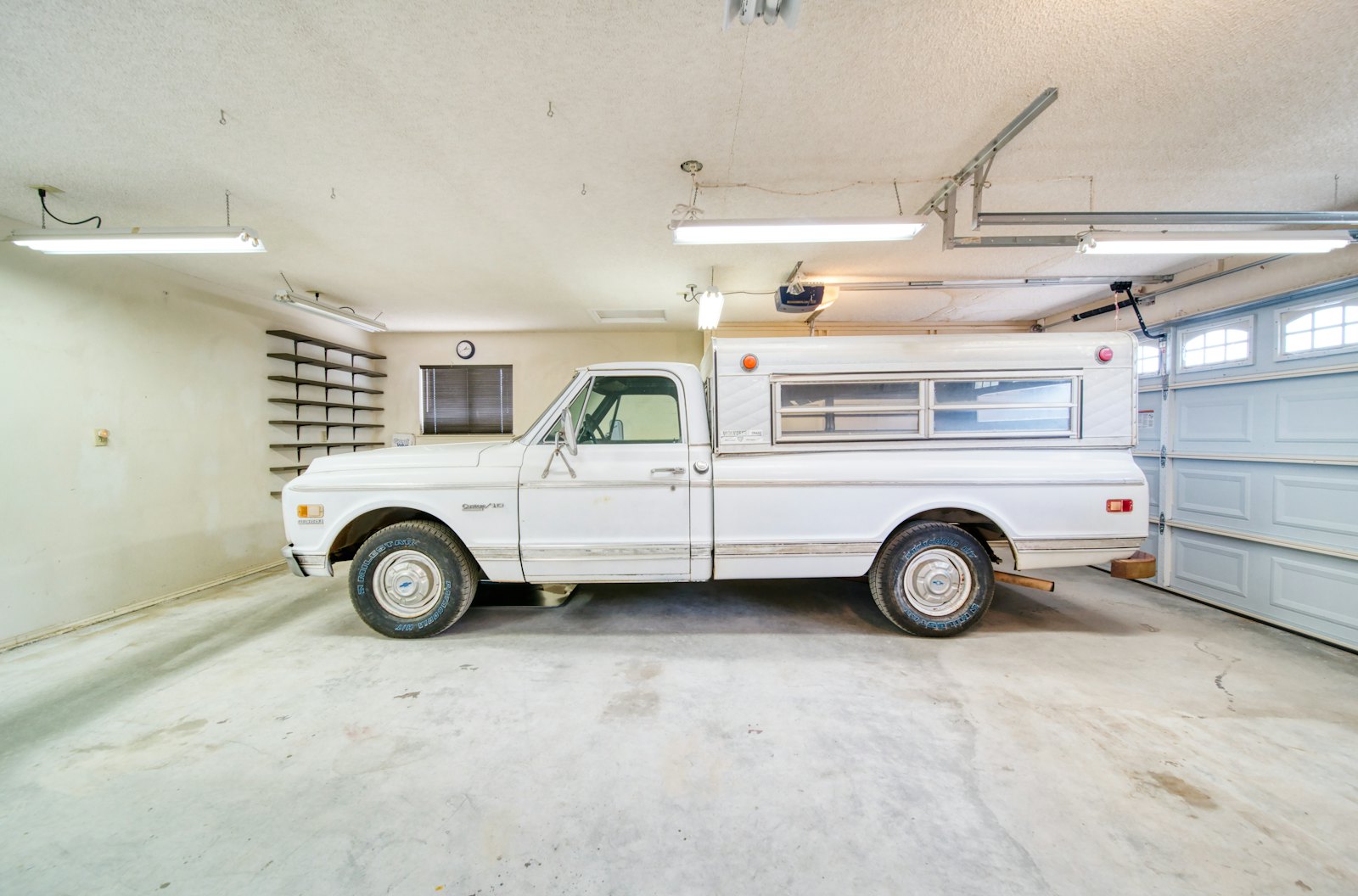 Garage
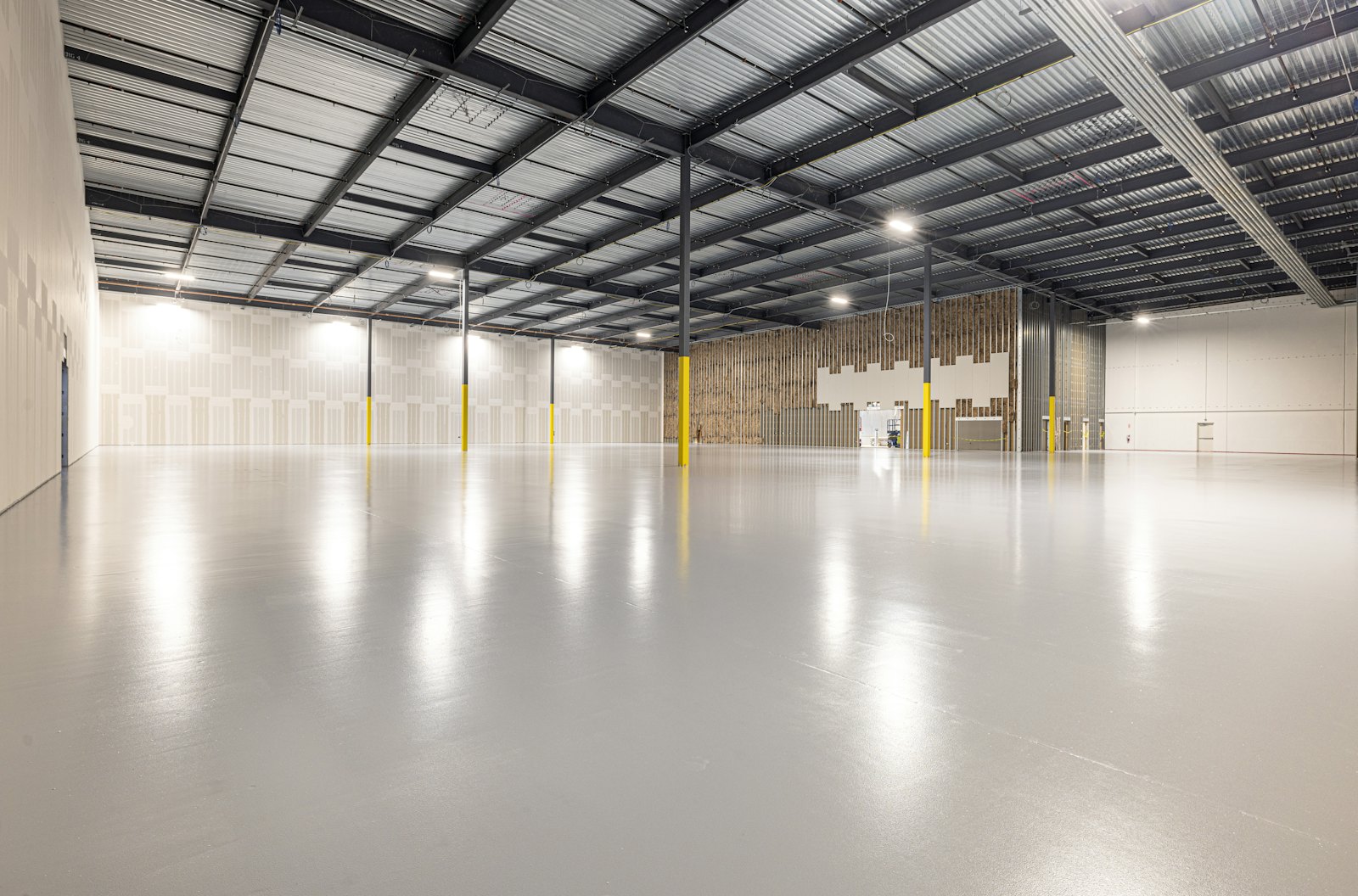 Warehouse
Compare
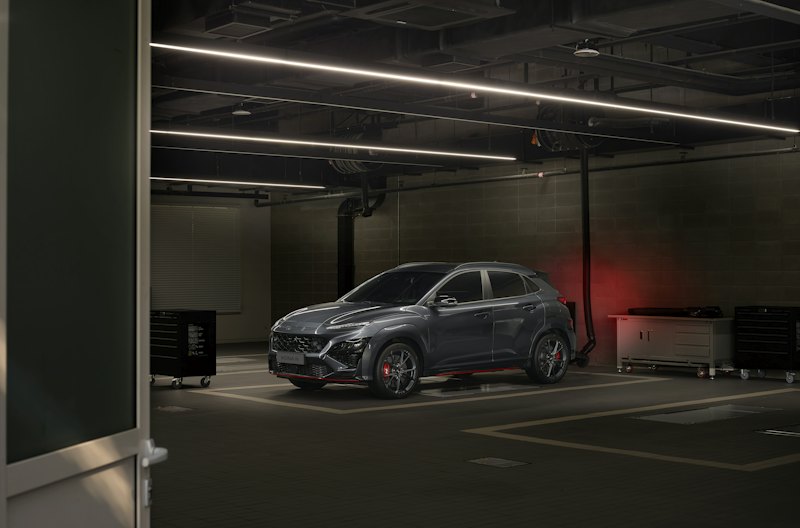
Fast-curing, UV-stable coatings that resist yellowing in the Arizona sun and get your floor back in use quickly.
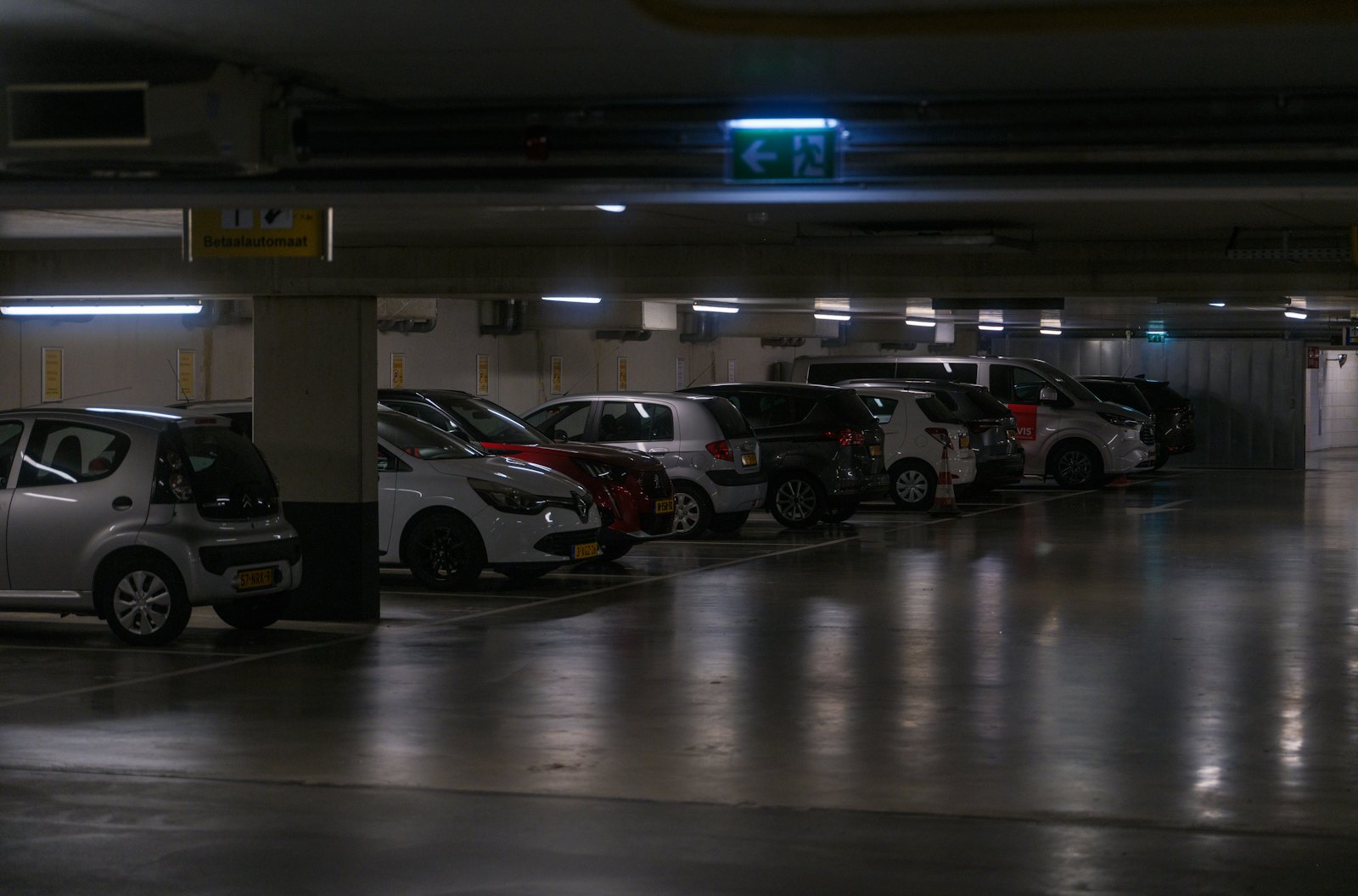
Upgrade a dusty, oil-stained garage slab into a sealed, glossy floor built for cars, tools and Arizona heat.
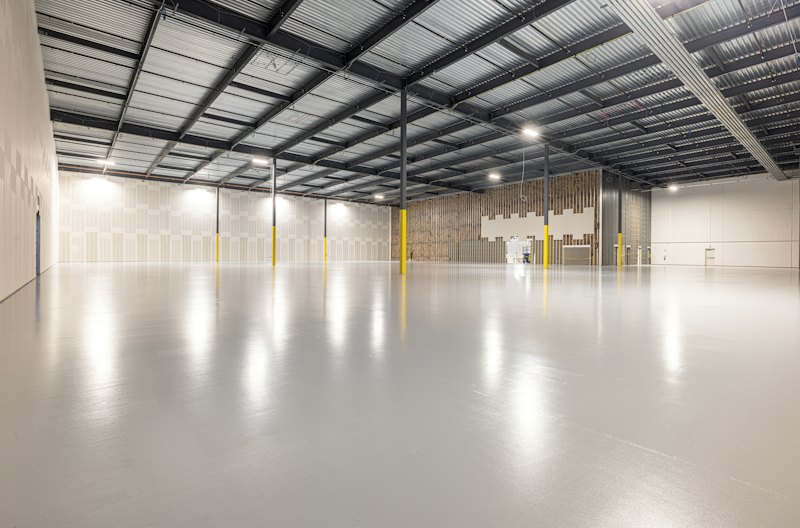
Heavy-duty systems for forklifts, pallet jacks and racking, with safety striping and aisle marking.
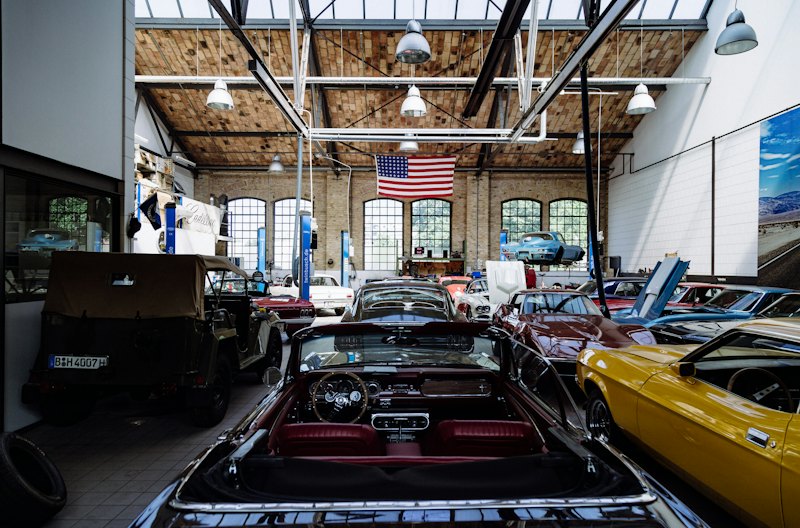
Professional floors for retail, offices, auto shops, restaurants and showrooms that balance looks with daily traffic.
Free estimate
Tell us about your space and we'll get back to you with a free, no-pressure quote. Prefer to talk? Call or text anytime.